
Oxalic acid
Although oxalic acid has no well-defined physiological function, its metabolism is closely linked to the regulation of calcium in the body. Excess oxalates in the urine can interfere with the absorption of calcium and other minerals, contributing to metabolic disorders.
Too much oxalic acid, or its inability to be properly eliminated, can lead to the formation of calcium oxalate crystals, which are a common component of kidney stones. High levels of oxalic acid in the urine (hyperoxaluria) increase the risk of stones.
Oxalic acid in urine is formed mainly through endogenous metabolism (especially from the degradation of vitamin C, glycolate metabolism and other precursors) or taken in through the diet, especially from foods such as spinach, chard, chocolate, nuts and tea.
Other factors can influence the concentration of oxalic acid in your urine:
- Hydration: adequate hydration helps dilute oxalate in the urine, reducing the risk of stone formation. Dehydration, on the other hand, can concentrate oxalate in the urine, increasing the risk of kidney stones.
- Gastrointestinal diseases: disorders such as Crohn’s disease or other conditions that impair intestinal absorption can affect oxalic acid levels in the body. For example, a reduced ability to absorb calcium in the intestines can increase the absorption of oxalates, increasing levels in the urine.
- Genetics: in some cases, primary hyperoxaluria (a rare genetic condition) can cause excessive oxalate production, leading to high levels of oxalic acid in the urine.
Measuring oxalic acid levels in urine is a way to monitor patients who are predisposed to kidney stones or who suffer from disorders such as primary or secondary hyperoxaluria. The evaluation of urinary oxalate levels is often used as an indicator to adjust diet or drug treatment, in order to reduce stone formation..
LTA test is a UV enzymatic colorimetric determination with Oxalate oxidase method
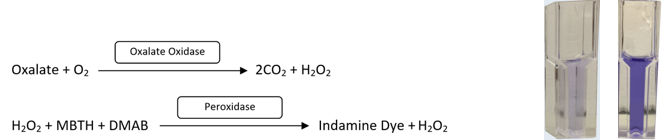
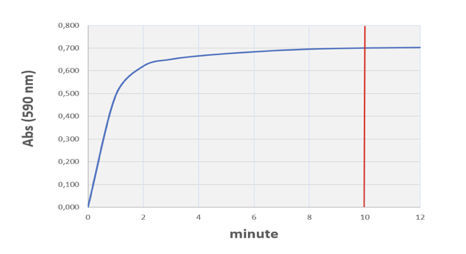
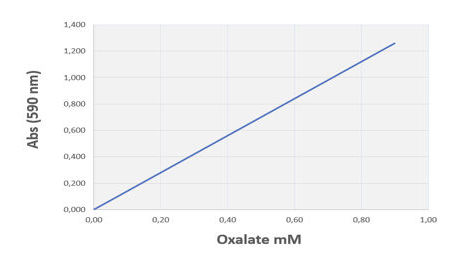
Oxalic acid is transformed by oxalate oxidase into carbon dioxide and hydrogen peroxide. This one, reacting in a Trinder system in the presence of peroxidase (POD), forms a blue/violaet colored compound. The intensity of the color produced is directly proportional to the concentration of oxalic acid in the sample.
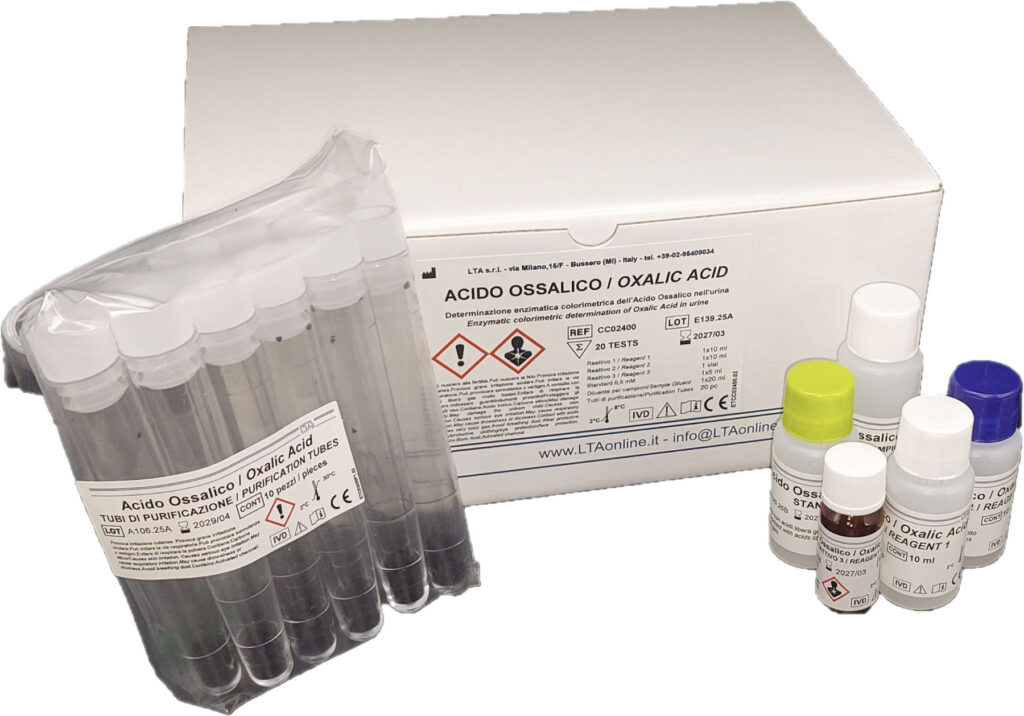
Package contents:
Version for 20 manual tests
| Reagent 1 | 1 x 10 mL |
| Reagent 2 | 1 x 10 mL |
| Reagent 3 | 1 x 2 mL (lyophilized) |
| Standard | 1 x 5 mL |
| Sample Diluent | 1 x 20 mL |
| Purification tubes | 20 pcs |
Version for 100 manual tests
| Reagent 1 | 1 x 50 mL |
| Reagent 2 | 1 x 50 mL |
| Reagent 3 | 5 x 2 mL (lyophilized) |
| Standard | 1 x 5 mL |
| Sample Diluent | 1 x 100 mL |
| Purification tubes | 100 pcs |
The kits contain everything needed to perform the urine sample test.
Are available separately “Sample diluent with Purifications tubes” kit for the treatment of additional samples and “Control solutions” kit.